
Selecting a high-performance visual display involves navigating numerous technical parameters that directly dictate the final picture quality and system lifespan. Many procurement teams focus heavily on the initial purchase cost, overlooking how crucial component compatibility and environmental ratings are to long-term operations. Making a misstep during the planning phase often results in poor color calibration, visible panel seams, or premature hardware degradation.
Our team works closely with global partners to address these physical and electronic integration challenges before they impact a venue. We manufacture customized modular hardware designed to deliver balanced color output, structural stability, and efficient thermal control under demanding conditions. Understanding these frequent integration mistakes helps operators protect their technology investment and deliver flawless visual presentations.
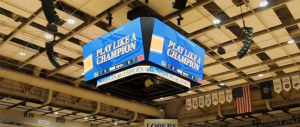
Overlooking the Relationship Between Viewing Distance and Pixel Pitch
Selecting an incorrect pixel pitch is one of the most frequent errors made during commercial and retail installations. If the pitch is too wide for a close-up indoor application, viewers will easily spot individual pixels, resulting in grainy images. Conversely, paying a premium for an extremely fine pitch on a distant overhead display offers no perceptible visual benefit.
We guide integration specialists to match the diode spacing precisely to the physical layout of the room. At Coblinks, we design diverse configurations to cover everything from close-range retail showrooms to expansive event arenas. Choosing the right pixel density for your LED screen keeps the image looking unified and sharp to every viewer in the room.
Underestimating Ambient Light and Panel Brightness Levels
Deploying a display with insufficient brightness in a sunlit area, such as a glass atrium or a storefront window, is a recipe for washed-out visuals. On the other hand, running an outdoor-grade panel at maximum brightness inside a dimly lit auditorium causes severe eye strain. Striking the right balance requires hardware that can adapt its light output to match changing ambient conditions.
Our engineering process focuses on equipping displays with wide brightness adjustment ranges to handle varying environment types. For instance, our MC Series P2.9 for a Retail Mall in Italy delivers clear, bright advertising that catches shoppers’ attention all day long. At Coblinks, we build these systems with wide viewing angles to prevent color shifting when customers view the screens from the side.
Ignoring Thermal Dissipation and Ventilation Requirements
High-performance digital panels generate considerable internal heat during continuous, multi-hour operation, especially when displaying bright white content. Without adequate ventilation pathways, this heat builds up behind the cabinet, accelerating the degradation of driver chips and light-emitting diodes. This thermal stress eventually leads to uneven color reproduction and sudden pixel failures across the display surface.
Our automated manufacturing process prioritizes precise component assembly and reliable display performance to support long-term operation. At Coblinks, we run every custom batch through a rigorous 72-hour aging test to verify overall product reliability before shipping. Keeping the operating temperature low protects the LED display LED screen components from premature aging and preserves color consistency.
Neglecting Consistent Calibration Across Modular Panels
A large video wall is composed of multiple individual cabinets that must work in harmony to present a single, cohesive image. If the color temperature and brightness settings of these modules are not perfectly matched, the screen will display distracting grid lines. This issue often occurs when mixing panels from different manufacturing batches or neglecting regular system recalibration.
We address this visual challenge by utilizing advanced automated SMT lines to maintain uniform component standards across every batch. At Coblinks, we use precise manufacturing processes to maintain consistent color performance across LED display modules. This precise manufacturing alignment ensures that your finished LED screen looks completely seamless, without any visible color patches.
Disregarding Camera Incompatibility and Refresh Rates
Many venue coordinators discover too late that their display produces flickering scan lines when filmed by professional cameras or smartphones. This issue stems from a low refresh rate, which fails to keep pace with the high shutter speeds of modern recording equipment. This digital distortion looks unprofessional and can ruin the visual appeal of a live broadcast or social media share.
Our design team builds high-frequency driver configurations into our custom panels to handle demanding filming environments effortlessly. At Coblinks, we focus on matching broadcasting standards to prevent image tearing and flickering on camera. Selecting an LED display LED screen with a high refresh frequency helps event organizers distribute clean, stable video feeds.
Relying on Inadequate Support Structures and Rigging
The physical safety of an installation depends entirely on the structural integrity of the mounting frames and rigging hardware. Digital display cabinets can be heavy, and installing them on standard drywall without proper reinforcement poses a significant safety hazard. Additionally, outdoor installations must be engineered to withstand local wind loads and seismic requirements.
We manufacture lightweight, robust cabinet structures, such as magnesium alloy frames, to reduce the overall load on venue walls. At Coblinks, we provide detailed mechanical specifications to help structural engineers design safe, dependable mounting systems. Utilizing lightweight LED screens simplifies the installation process and reduces the cost of building massive custom support frames.
Conclusion
Avoiding common installation pitfalls requires a careful balance of pixel pitch calculation, thermal management, and precise color calibration. Understanding how these technical factors interact with the venue environment prevents unexpected performance issues and extends the operational life of the hardware. Our team continues to focus on manufacturing reliable, custom-engineered display solutions that support integration specialists worldwide in creating stunning, long-lasting visual displays.