
As monitoring requirements continue to grow across transportation, manufacturing, energy, and public safety, more organizations are adopting visual display systems that support continuous operation. A LED screen plays an important role in presenting real-time information, while a LED display large solution helps operators view multiple data sources on one display wall. At Coblinks, we work with B2B customers to develop display solutions that match different control room environments. Rather than focusing only on display specifications, we pay attention to installation requirements, maintenance efficiency, and long-term operational stability so that our customers can build monitoring systems that remain reliable throughout daily use.
Supporting Accurate Information Management
Control rooms often receive data from cameras, sensors, and management platforms at the same time. Operators need a display system that presents information clearly without making the workspace difficult to manage. A LED screen with high image consistency allows personnel to observe equipment status, alarms, and operational data from different positions in the room. A LED display large configuration also makes it easier to arrange multiple application windows on a single display surface, reducing the need for separate monitors. At Coblinks, our engineering team evaluates cabinet alignment, structural stability, and manufacturing quality throughout production. Our complete in-house manufacturing process and ISO9001 quality management system help us maintain consistent product quality while supporting customized requirements for different industries.
Designing for Long Term Operation
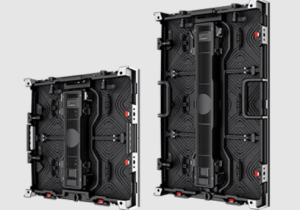
Unlike temporary display projects, control rooms usually operate for extended periods every day. Maintenance efficiency therefore becomes an important consideration during product selection. We develop modular display structures that simplify routine servicing and component replacement, helping maintenance teams reduce service time without unnecessary system disruption. A LED screen designed for practical maintenance can improve operational efficiency over the product lifecycle. For projects requiring a LED display large installation, we also consider cabinet consistency, installation flexibility, and structural safety according to the available space. With more than 50 patents and an experienced research and development team, Coblinks continues to improve product design while responding to customized project requirements from global business customers.
Conclusion
Selecting display equipment for a monitoring center involves more than comparing technical specifications. Buyers should evaluate system reliability, maintenance accessibility, manufacturing consistency, and supplier support before making a decision. These factors directly influence long-term operating efficiency and project management costs. At Coblinks, we combine engineering experience, flexible customization capability, complete production control, and global B2B service experience to provide display solutions that fit different monitoring applications. By understanding how a control room operates and matching products to practical requirements, organizations can build display systems that remain dependable throughout daily operation.