
A large outdoor display can become a significant capital purchase, particularly for businesses planning long-term advertising operations rather than a short promotional campaign. The equipment cost is only one part of the financial picture; installation, structural work, electrical infrastructure, content management, maintenance, and energy use may also affect the project budget. Digital billboards for sale are consequently worth evaluating through total ownership cost instead of purchase price alone. At Coblinks, we look at financing from the perspective of the entire deployment, helping businesses consider how equipment specifications and payment structures fit their operating plans.
Understanding the Real Cost Of A Digital Billboard
The quoted display price may represent only the screen itself. A finished installation can involve steel structures, mounting hardware, power distribution, control equipment, network connectivity, transportation, installation labor, and permitting requirements depending on the location.
Operating expenses deserve attention as well. Electricity consumption varies with screen size, brightness settings, operating hours, and environmental conditions. Routine inspection, replacement components, cleaning, and technical service can also become recurring expenses over the useful life of the installation.
Depreciation is another consideration for businesses purchasing equipment as a long-term asset. Accounting treatment varies according to jurisdiction and business structure, so financial teams should assess applicable rules separately from the technical purchasing process. Understanding the expected asset life can still help companies compare different payment approaches.
Comparing Common Financing Structures
A direct cash purchase provides the simplest ownership structure because the equipment is paid for upfront. This approach avoids financing charges, although it also ties up capital that could potentially be used for other business activities.
Equipment loans spread the purchase cost across a defined repayment period. Interest increases the total amount paid, but the business retains more working capital during the initial deployment stage. The repayment schedule should be compared against the expected revenue or advertising income generated by the installation rather than viewed only as a monthly figure.
Leasing offers another route, particularly for businesses that prefer predictable periodic payments. Depending on the agreement, ownership may remain with the financing provider during the lease term, with different options available at the end. Contract duration, residual value, maintenance responsibilities, and early-termination conditions all deserve careful review before signing.
Matching Payment Terms with Equipment Use
A financing period should make sense alongside the expected operating life of the display. Short repayment periods can reduce the duration of financing costs but may create higher periodic payments. Longer terms can spread expenses more widely, although the accumulated financing cost may increase.
Businesses considering digital billboards should also examine how quickly the asset is expected to generate commercial value. A display installed at a high-traffic commercial location may have a different revenue profile from one used mainly for a company’s own branding.
Seasonality can affect this calculation. Advertising demand may rise during holidays, sporting events, tourism periods, or major local activities. Cash-flow planning should account for periods of stronger and weaker utilization rather than assuming identical revenue every month.
Evaluating the Equipment Before Financing
Financing a technically unsuitable display can create a much bigger problem than selecting an inconvenient payment structure. Pixel pitch, brightness, cabinet dimensions, viewing distance, environmental protection, maintenance access, and expected operating hours should all be assessed before the contract is finalized.
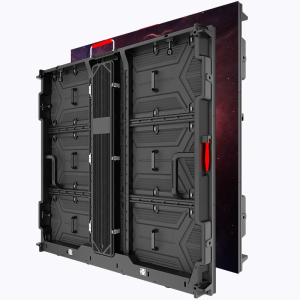
Our Coblinks SFA Pro Series is an example of an outdoor fixed-display configuration with pixel-pitch options of 4mm, 5mm, 6.67mm, 8mm, and 10mm. This range allows the display configuration to be considered according to viewing distance and installation scale rather than treating every outdoor advertising location identically.
Specification selection should also account for future operating conditions. A display installed in direct sunlight may have different brightness requirements from one positioned in a partially sheltered commercial environment. Likewise, a site with limited rear access may place greater importance on maintenance design. These details can affect long-term operating costs even though they may not appear prominently in the initial equipment quotation.
Calculating the Long-Term Financial Picture
A useful comparison goes beyond the monthly payment. Businesses should estimate the initial installation expense, financing cost, energy consumption, maintenance requirements, expected utilization, and potential advertising revenue across the planned ownership period.
The economics can also change as the screen’s role expands. An owner-operated advertising surface may initially display only internal promotions, then later sell advertising slots to external businesses. Flexible content management can create additional commercial possibilities, although projected revenue should be based on realistic occupancy and local market demand.
A clear comparison between digital billboards for sale should include both acquisition and operating assumptions. Two displays with similar purchase prices may produce very different financial results if their energy use, maintenance needs, installation requirements, or expected service periods differ substantially.
Conclusion
Financing an outdoor display is ultimately a business planning exercise rather than simply a method of spreading the purchase price. The appropriate structure depends on available capital, expected utilization, operating expenses, repayment capacity, ownership objectives, and the economic potential of the installation site. A careful assessment can reveal whether paying upfront, borrowing, or leasing fits the project’s actual cash-flow pattern.
We at Coblinks believe digital billboards should be evaluated as long-term operating assets, with the equipment specification and financial structure considered together. When comparing digital billboards for sale, businesses should consider total ownership cost, not just the initial price. The strongest financial case comes from matching the payment model to how the display will actually be used, maintained, and monetized over time.