
Choosing a display solution for a commercial project involves much more than comparing specifications. As we work with distributors, system integrators, and project contractors around the world, we understand that every installation has different structural and operational requirements. Before selecting a flexible LED display, buyers should evaluate where the screen will be installed, how often it will be maintained, and whether it needs to fit curved or irregular surfaces. These practical considerations often have a greater influence on long-term performance than brightness alone. At Coblinks, we focus on understanding project requirements first, allowing us to recommend solutions that match different commercial applications instead of relying on a one-size-fits-all approach.
Matching the Product to the Installation Environment
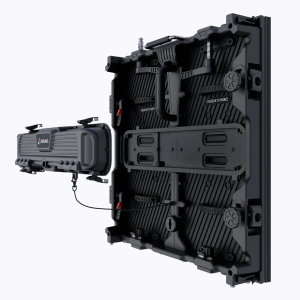
Every installation presents unique challenges. Shopping malls, exhibition halls, museums, and commercial branding projects often require displays that can adapt to columns, curved walls, or creative architectural structures. This is why flexibility should be evaluated together with mechanical stability and installation efficiency. Our MC Series is designed for these application scenarios by supporting curved installations while maintaining stable cabinet connections and consistent visual presentation. When selecting a flexible LED display, buyers should also consider future maintenance, available installation space, and whether modules can be serviced efficiently. These factors help reduce maintenance interruptions throughout the product lifecycle while simplifying project management for engineering teams.
Looking Beyond Technical Specifications
Technical parameters remain important, but purchasing decisions should also include manufacturing capability and supplier support. At Coblinks, our engineering team combines years of LED display and electronic product experience with complete in-house manufacturing, allowing us to respond efficiently to customized project requirements. Every production stage is managed under our ISO9001 quality management system to help maintain consistent manufacturing quality. We also hold more than 50 patents and have been recognized as a National High-Tech Enterprise and a Specialized and Sophisticated SME in China. For many international partners, these capabilities provide additional confidence when selecting a flexible LED display supplier for long-term cooperation. In addition, our OEM and ODM experience enables us to support different project specifications while providing regional after-sales service through our established overseas service network.
Conclusion
Successful display projects begin with careful planning rather than product comparison alone. Buyers should evaluate installation conditions, maintenance accessibility, supplier engineering capability, and long-term service support before making a purchasing decision. At Coblinks, we continue to improve our products through technology development and practical project experience while providing flexible solutions for different commercial environments. By considering the complete project lifecycle instead of individual specifications, businesses can make more informed purchasing decisions that support reliable operation and efficient project delivery.