
Selecting the right custom LED display screen begins with understanding the specific requirements of your project instead of comparing specifications alone. As we work with customers from different industries, we find that installation conditions, maintenance expectations, and long-term operating plans often influence the final decision as much as image quality. A flexible LED display may be suitable for creative architectural designs, while a conventional structure may better fit flat installations. At Coblinks, we communicate with every customer before production so that display size, cabinet structure, and installation method match the actual application. This process helps reduce unnecessary adjustments during deployment and allows our solutions to better support commercial, transportation, retail, and public information projects.
Evaluating Structure Before Appearance
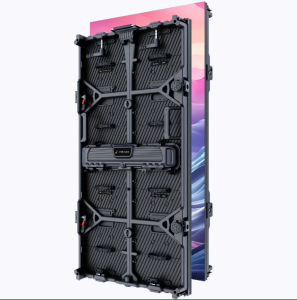
Visual performance is important, but structural design should also be carefully reviewed. Buyers should consider cabinet strength, module installation, service access, and environmental conditions before making a purchasing decision. For projects requiring curved surfaces or creative layouts, a flexible LED display provides greater installation freedom because it can adapt to different shapes while maintaining a continuous viewing experience. However, the supporting structure and maintenance approach should also be planned in advance. At Coblinks, we design our MC series with modular concepts that simplify installation and future servicing. Individual components can be replaced when necessary without replacing the entire display, helping engineering teams complete maintenance more efficiently. We believe this practical approach is valuable for B2B customers managing multiple display projects across different locations.
Matching Products With Operational Requirements
Every project has different operating priorities, so product selection should always begin with application requirements. A custom LED display screen used in a shopping mall may require a different cabinet configuration from one installed in a transportation hub or exhibition center. Besides screen dimensions, customers should evaluate maintenance accessibility, installation environment, signal management, and future expansion possibilities. Our engineering team discusses these factors during project planning to recommend suitable configurations instead of relying on a standard solution for every application. In addition, a flexible LED display can support creative installations where conventional cabinets cannot easily fit the available space. Through continuous product development, Coblinks provides display solutions that balance structural reliability with practical installation needs while supporting OEM and ODM customization for professional customers.
Conclusion
Choosing the right custom LED display screen is a process that combines technical evaluation with practical project planning. Rather than focusing on a single specification, buyers should consider structural design, maintenance efficiency, installation flexibility, and long-term operating requirements together. At Coblinks, we continue improving our manufacturing processes, engineering capabilities, and product development so that every solution is built around real project demands. Whether customers require a standard installation or a customized display system, our goal is to provide dependable products and responsive technical support that help projects move forward with greater confidence.