
Touring productions rarely have the luxury of unlimited setup time. Equipment must move between venues, stage dimensions can change from one location to another, and every additional installation step adds pressure to an already tight schedule. A well-planned stage screen LED system can simplify this process through modular construction, practical handling, fast signal connections, and installation methods suited to repeated assembly. At Coblinks, we consider touring display design from the perspective of the entire production workflow, where transport, setup, operation, dismantling, and the next venue are all connected.
Designing Around Repeated Assembly
A touring display is different from a permanent installation because the same equipment may be assembled and dismantled many times. Mechanical connections need to tolerate frequent handling, while cabinet dimensions should remain practical for transportation and storage.
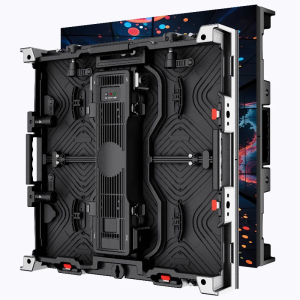
Weight has a direct effect on crew workload. Lighter cabinets can reduce the physical effort required during rigging and positioning, particularly when several technicians need to move panels across a large stage. The benefit becomes more noticeable as screen area increases and the production travels between multiple locations.
Modular construction also allows a screen wall to adapt to different stage layouts. Rather than treating every venue as if it has identical dimensions, crews can configure the available panels according to the required width, height, or creative arrangement. A flexible Stage LED Screen approach can make the same equipment useful across concerts, festivals, ceremonies, and touring productions.
Simplifying Connections and Signal Paths
Setup time is influenced by more than physical assembly. Power distribution and signal routing can become complicated when a large wall requires numerous cables, particularly in venues where access behind the screen is restricted. Mapping power and signal runs before load-in, rather than improvising on site, helps crews avoid bottlenecks when rear access is tight.
Organized signal architecture helps technicians identify connections quickly and reduces unnecessary cable runs. Clear labeling, modular power systems, accessible connection points, and appropriate processors can make troubleshooting more manageable during a compressed installation window.
Signal transmission also needs to match the scale and resolution of the display. A high-resolution wall can place substantial demands on processing and data distribution, so the control system should be planned before the crew arrives at the venue. The objective is not simply to connect every cabinet, but to create a signal path that can be checked systematically during setup.
Preparing for Changing Venue Conditions
Outdoor touring introduces another layer of complexity. Sunlight, rain, dust, temperature changes, and wind can all affect both the display and the installation process. Equipment that works reliably in a controlled indoor venue may require substantially different protection when used at an open-air festival.
The Coblinks MB-H stage LED screen uses inverted GOB technology and is compatible with both indoor and outdoor use, with a sealed structure intended to resist rain and dust. Its design also addresses direct-sunlight conditions, and its thermal management can reduce energy consumption by 30% compared with traditional outdoor displays. For a touring stage screen LED, these characteristics demonstrate why environmental conditions should be assessed alongside visual specifications.
Temperature management matters during long events as well. Outdoor equipment may face significant changes between daytime setup and nighttime operation. Appropriate thermal design and ventilation planning can help maintain stable operation while reducing unnecessary stress on components.
Reducing Work Between Performances
A touring crew’s workload does not end when the screen is operational. Screens may need to be adjusted between rehearsals and performances, moved after an event, or prepared for transport immediately after the final show. Quick-release mechanisms, clearly labeled connections, and consistent cabinet dimensions can all shorten these turnaround tasks and reduce fatigue during tight schedules.
Maintenance accessibility can make these transitions easier. If technicians can reach relevant modules and connections without extensive disassembly, routine checks become less disruptive. Protective measures are equally important because repeated transportation exposes cabinets to impacts, vibration, and handling during loading.
Standardized workflows provide another advantage. Crews familiar with the same cabinet structure, locking mechanism, cable layout, and control architecture can repeat established procedures rather than developing a new setup method at every venue. A Stage LED Screen therefore becomes part of a broader production system in which equipment design and crew processes work together.
Conclusion
Touring efficiency comes from reducing friction across many small tasks rather than relying on one specification. Cabinet weight, modular assembly, signal organization, environmental protection, maintenance access, and repeatable handling procedures can all influence how much pressure a crew faces during a production move. A stage screen LED system designed with those realities in mind can adapt more readily to changing venues while keeping setup procedures practical.
At Coblinks, we view touring display equipment as part of the production workflow itself, considering what happens before the first signal appears as carefully as the visual performance during the show. That perspective gives crews a more workable foundation for moving from one event to the next.