
Visual experiences shape how audiences connect with live events and digital media. When selecting a high-performance visual solution, understanding the technical specifications becomes paramount. Among these, the refresh rate stands as a critical metric determining how smoothly motion renders on a display. Whether you are hosting a live broadcast, managing a massive concert stage, or setting up a corporate arena, this technical aspect directly influences the final visual output.
Our team focuses on engineering hardware that meets these rigorous visual demands. We build high-quality indoor and outdoor solutions specifically designed to withstand the high-intensity demands of global rental markets. Understanding how a LED screen processes visual data allows event production teams to make informed decisions. Let us dive deep into what makes a display perform seamlessly under demanding event conditions.
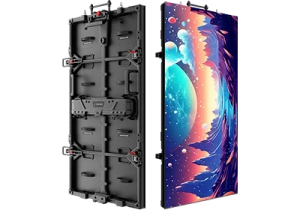
Understanding the Basics of Refresh Rate
At its core, the refresh rate refers to how many times per second a display redraws its image. Measured in Hertz (Hz), a higher number means the display updates its visual information more frequently. For standard consumer displays, a lower rate might suffice, but professional-grade event setups require significantly higher numbers to keep up with fast-moving content.
When we design systems at Coblinks, we focus on maximizing this frequency to prevent flickering. Professional LED displays commonly use high refresh rates such as 3,840Hz to support smooth motion and camera-friendly performance. This rapid redrawing ensures that fast action remains crisp and fluid, providing a flawless viewing experience for live audiences watching the stage.
The Crucial Role of Driver ICs
The driver Integrated Circuit (IC) acts as the brain behind the pixel activation on a panel. It translates incoming video signals into electrical currents that dictate when and how brightly each individual diode lights up. Choosing high-quality driver ICs is what separates basic displays from professional-grade event hardware.
We select reliable components and optimize display systems to achieve stable image performance. At Coblinks, we configure our circuits to handle high refresh rates without sacrificing color depth or brightness. This meticulous component selection allows our partners to deliver premium visual quality to their clients without experiencing sudden signal drops or pixel stuttering.
How Camera Shutter Speeds Interact with Displays
A major challenge in live events is the interaction between a LED screen and professional camera equipment. When a camera’s shutter speed is faster than the display’s refresh rate, black scan lines appear on the recorded video. This phenomenon, known as the moiré effect or scanning lines, can ruin a live broadcast or event recording.
To combat this, broadcasters require display technology that exceeds the shutter speed of modern cameras. At Coblinks, we engineer our panels with high-frequency capabilities specifically to match professional broadcasting standards. This alignment prevents visual distortion, allowing camera operators to capture pristine footage of the stage without any distracting horizontal bands.
Grayscale Performance at Low Brightness levels
Achieving a high refresh rate is relatively straightforward at maximum brightness, but the real test occurs when the display is dimmed. Often, when dimming a LED screen, the grayscale detail degrades, leading to pixelation and loss of shadow detail. This loss of clarity can ruin the ambiance of indoor theatrical productions or corporate presentations.
Many LED displays use technologies such as PWM dimming methods to maintain grayscale performance at different brightness levels. This system allows Coblinks panels to retain rich color depth and detail even when operating at lower brightness levels. Event planners can trust that dark scenes and subtle gradients will render beautifully under any venue lighting conditions.
Impact on Viewer Comfort and Eye Fatigue
Low refresh rates do more than just look bad on camera; they also cause physical strain. Even if the human eye cannot consciously register a 120 Hz flicker, low refresh rates may cause visible flickering, which can affect viewing comfort during long periods of use. For long conferences, multi-day festivals, or esports tournaments, viewer comfort is a major priority.
Utilizing a premium LED screens setup ensures a flicker-free environment that keeps audiences comfortable for hours. We prioritize high-frequency driving technology to reduce visual fatigue across all our custom-built products. By keeping the visual delivery smooth, our partners can create comfortable, immersive environments that keep viewers engaged throughout the entire event.
The Synergy of Gray Scale and Refresh Rates
A truly premium display requires a delicate balance between refresh rate, grayscale, and brightness. If any of these elements are out of sync, the overall visual output suffers. High-quality LED screens must balance these three pillars to deliver true-to-life imagery under the intense scrutiny of live event production.
Our manufacturing facility utilizes automated SMT lines and conduct 72-hour aging tests to verify product stability before shipment. At Coblinks, we run comprehensive diagnostic checks on every batch to verify that the color uniformity and refresh cycles meet strict international standards. This meticulous testing ensures that every custom panel we ship delivers stable, dependable performance on the global stage.
Conclusion
Selecting the right visual technology requires a deep understanding of how technical specifications translate to real-world performance. By focusing on high refresh rates, advanced driver ICs, and excellent low-brightness grayscale, event specialists can guarantee flawless presentations. Our team remains committed to manufacturing robust, high-performance display panels that empower rental companies worldwide to deliver spectacular visual experiences without compromise.