
Modern architecture is no longer limited to flat walls and standard building shapes. Designers increasingly look for digital display solutions that can adapt to curved façades, columns, artistic structures, and irregular interiors without interrupting the original design concept. As we work with global commercial display projects at Coblinks, we have seen that a flexible LED display provides greater installation freedom for complex structures where traditional rigid screens may not fit efficiently. At the same time, a custom LED display screen allows project owners to balance visual communication with architectural aesthetics, making it easier to integrate digital content into retail spaces, exhibition halls, museums, hotels, and public buildings without significantly changing the original construction.
Adapting Digital Displays to Complex Building Structures
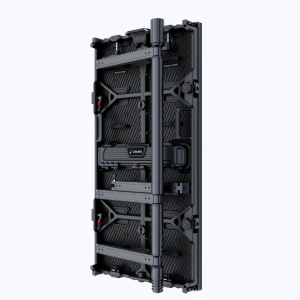
One of the most common architectural challenges is installing displays on surfaces that are curved, cylindrical, or uniquely shaped. Conventional cabinets often require additional supporting structures, increasing installation complexity and affecting the building’s appearance. A flexible LED display is designed to bend around curved surfaces while maintaining continuous image presentation, making it suitable for creative architectural applications. When projects require displays with customized dimensions or unconventional layouts, a custom LED display screen offers greater design flexibility because it can be developed according to the available installation space. At Coblinks, our MC Series is designed with flexibility in mind, allowing it to fit a variety of curved and creative installations while supporting stable display performance for commercial projects. This approach helps architects and system integrators reduce structural modifications while preserving the visual identity of the building.
Supporting Efficient Installation and Long Term Maintenance
Architectural projects also require display systems that remain practical after installation. Besides appearance, buyers often evaluate maintenance accessibility, component reliability, and future upgrade possibilities. We design our solutions with these operational considerations in mind because maintenance efficiency directly affects long-term ownership costs. A flexible LED display used in commercial buildings should allow convenient module replacement and stable system operation during daily use. Likewise, a custom LED display screen should simplify project implementation by matching the building structure instead of requiring extensive reconstruction. Our engineering team carefully reviews project requirements before production so that the display solution matches the installation environment, whether it is used for indoor decoration, retail branding, exhibition displays, or creative media walls. With our in-house manufacturing process and quality management system, we maintain consistent production standards while supporting customized project requirements for B2B customers.
Conclusion
Architectural display projects continue to become more diverse as designers pursue creative spaces and functional digital communication. Rather than forcing buildings to fit standard display products, we believe display technology should adapt to architectural design. At Coblinks, we combine engineering experience with flexible product development to help customers address installation challenges in commercial environments. By selecting a flexible LED display for irregular structures or a custom LED display screen for specialized layouts, project teams can achieve solutions that are easier to integrate, maintain, and operate throughout the lifecycle of the installation.