
Event production leaves little room for delays, excessive labor, or equipment that becomes difficult to manage after arriving at the venue. A reliable LED wall rental system can influence far more than the appearance of a stage: transportation, setup time, crew workload, maintenance, and structural planning are all connected to the display hardware. At Coblinks, we see rental projects from this operational perspective, because a display needs to fit the rhythm of an event as well as its visual concept.
Reducing Transportation and Handling Challenges
Transportation is one of the less visible expenses in event production. Large numbers of cabinets may need to travel between cities or countries, and even a small difference in cabinet weight becomes meaningful once an entire fleet is loaded into cases or vehicles.
A lighter rental LED board can make physical handling easier for crews working during tight setup windows. Fewer kilograms per cabinet can also reduce the amount of effort required when equipment is moved from storage to staging areas, particularly at venues where elevators, loading docks, or access corridors create additional logistical constraints.
Weight matters during installation, too. Hanging displays place demands on trusses and supporting structures, while ground-supported configurations still require practical handling. Reducing cabinet weight does not solve every structural issue, but it can give production teams greater flexibility when planning transportation and installation.
Making Setup More Efficient
Event schedules often divide installation into narrow time slots. The display may need to be assembled after the venue becomes available and tested before rehearsals begin, leaving little tolerance for slow connections or complicated cabinet alignment.
A LED wall rental system built around fast mechanical connections can shorten repetitive assembly work. Smart-lock mechanisms, for example, allow adjacent cabinets to connect without requiring technicians to spend excessive time on individual fastening operations. The benefit becomes more noticeable as the number of cabinets increases.
The installation sequence also affects crew productivity. Modular components allow technicians to build sections systematically instead of treating the entire display as one large structure. Clear access points and standardized cabinet dimensions can make troubleshooting easier if an issue appears during testing.
Simplifying Maintenance During Events
Technical problems become more disruptive once an event is underway. A damaged module, loose connection, or faulty power component may require immediate attention, particularly if the affected area sits directly within the audience’s field of view.
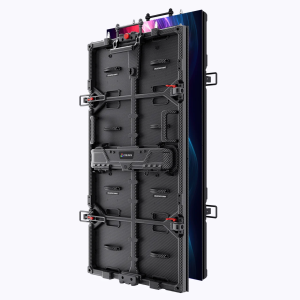
Our Coblinks CL Series uses lightweight construction with cabinets weighing approximately 8.5–9 kg, while its smart-lock system is designed to accelerate installation. Front and rear module access, magnetic connections, and modular power boxes support quicker servicing during rental operations. These features address several practical concerns for crews that repeatedly transport, assemble, dismantle, and maintain display equipment across different events.
Maintenance accessibility can influence equipment availability over a full rental season. If technicians can reach a problematic component without dismantling a large section of the display, service work may require less interruption. That does not remove the need for spare parts and skilled technicians, but it can make routine intervention more manageable.
Improving Fleet Utilization and Event Reliability
Rental companies earn value from equipment that can move efficiently between projects. A display that spends too much time in storage because preparation or repair takes longer than expected can reduce the number of opportunities available to the fleet. Shortening turnaround time therefore has a direct effect on fleet profitability, especially during peak rental seasons when every available panel may be needed.
A practical rental LED board should consequently be evaluated beyond its visual specifications. Cabinet weight, connection design, maintenance access, power architecture, protective features, and compatibility with existing production equipment can all influence how easily a rental house incorporates the system into its operations. These practical factors also shape transport costs, labor requirements, and the risk of handling damage, so they deserve as much attention as pixel pitch or brightness.
Standardization across a fleet can bring another advantage. Technicians who are familiar with the cabinet structure and connection process can work more consistently across different projects. Familiar workflows reduce the need to relearn installation procedures every time equipment moves to a new venue. That consistency can also simplify troubleshooting and spare-parts management, since the same procedures and components apply across multiple shows.
Conclusion
Event display equipment has a direct relationship with the less visible side of production: transport schedules, crew hours, rigging requirements, maintenance access, and fleet availability. A well-considered LED wall rental solution addresses these practical pressures alongside image performance, giving event teams a more manageable workflow from loading through dismantling.
At Coblinks, we design rental display systems around these repeated operational demands rather than focusing on visual specifications alone. A capable rental LED board should make sense not only on stage but also inside the truck, backstage area, maintenance workflow, and next project waiting on the schedule.