
In stadium environments, we at Coblinks design display systems that address the challenge of uneven viewing distances and large audience distribution. A LED screen is commonly applied to ensure that spectators in upper tiers and corner seats receive the same visual content without distortion. In parallel, a LED display large configuration is often used to maintain continuous image coverage across long horizontal spans such as stands, stage backdrops, or central score zones. In practical deployment, a LED screen helps reduce fragmented visual zones by maintaining synchronized output. Meanwhile a LED display large system supports unified broadcasting content for both live audiences and production cameras, ensuring operational consistency across the venue.
Visual stability under changing stadium conditions
We at Coblinks focus on ensuring display stability under different lighting and weather conditions commonly found in outdoor or semi-open stadiums. A LED screen must maintain balanced brightness levels so that content remains readable during daytime events and night matches. A LED display large system helps distribute brightness evenly across extended display surfaces, reducing visual inconsistency between modules. In real applications, a LED screen is often configured with adaptive brightness control to match ambient light changes during events. At the same time, a LED display large setup allows operators to manage segmented content zones for different event formats without affecting overall image continuity.
Operational control and maintenance efficiency
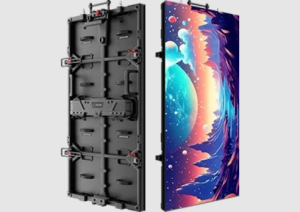
From an engineering perspective, we at Coblinks design systems that prioritize control flexibility and maintenance accessibility for frequent stadium usage. A LED screen can be integrated into centralized control platforms using AC, DC, and network-based transmission systems to support stable real-time content updates. A LED display large structure is typically built with modular units, allowing technicians to replace individual sections without interrupting the full display operation. In practice, a LED screen setup supports synchronized playback across multiple zones such as scoreboards and advertising areas. Similarly, a LED display large configuration enables structured signal distribution, which is important for large-scale live events with multiple content sources.
Conclusion
Stadium environments require display systems that balance visibility, stability, and operational control across complex event scenarios. At Coblinks, we design solutions that combine structural scalability with practical deployment needs rather than focusing only on size expansion. Large venues depend on coordinated visual systems that support both audience experience and production workflows. Through modular architecture and centralized control compatibility, these systems help operators manage frequent event changes with predictable performance. We also consider long-term maintenance efficiency, ensuring that replacement and upgrades can be completed without disrupting full venue operations. This approach allows stadium planners to better align visual infrastructure with real usage patterns across sports events, concerts, and public gatherings while maintaining consistent content delivery across all viewing zones.