
When B2B buyers evaluate display solutions, image quality is only one part of the decision. Transportation, installation, and long-term maintenance also influence the overall project budget. This is why panel weight has become an important consideration for engineering companies, rental providers, and system integrators. A lighter flexible LED display can simplify logistics, reduce handling pressure, and improve installation efficiency without changing project requirements. At Coblinks, we discuss these factors with customers before recommending a solution because every application has different structural and operational needs.
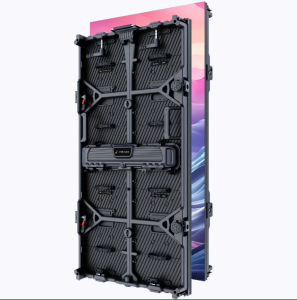
Lower Weight Improves Logistics Efficiency
Transportation costs are closely related to the weight and volume of display equipment. Heavier cabinets require more loading effort, additional protective materials, and higher freight expenses, especially for international shipments. For companies managing multiple projects, these costs can accumulate over time. Choosing a lighter cabinet helps improve container utilization and makes warehouse operations more organized. This is particularly valuable for rental businesses that move equipment between different venues. Our MC series reflects this design philosophy by using a carbon fiber cabinet that helps reduce overall weight while maintaining structural stability. As a result, a flexible LED display can be transported more efficiently and handled more comfortably during daily project operations.
Easier Handling Supports Installation and Maintenance
Panel weight also affects labor planning at the project site. Lighter display cabinets are easier to lift, position, and assemble, allowing installation teams to complete tasks with fewer physical demands. This can improve work efficiency while helping reduce the risk of accidental damage caused by difficult handling. During maintenance, technicians can also remove and reinstall panels more conveniently, which supports faster servicing when replacement is required. At Coblinks, we design products with practical engineering requirements in mind. The MC series combines a lightweight carbon fiber structure with stable mechanical performance, making it suitable for rental projects that require frequent transportation, repeated assembly, and reliable operation. A well-designed flexible LED display not only supports visual performance but also contributes to smoother project management throughout its service life.
Conclusion
Panel weight should never be viewed as a simple specification on a product sheet. It influences transportation planning, labor arrangements, installation efficiency, and ongoing maintenance throughout the project lifecycle. For B2B customers, evaluating these practical factors before purchasing can support better operational planning and more predictable project costs. At Coblinks, we continue to develop display solutions based on real application requirements, combining lightweight structural design with dependable manufacturing quality. By considering panel weight together with installation methods, maintenance accessibility, and project environments, buyers can make decisions that better match their long-term business objectives.