
When we communicate with project contractors, system integrators, and rental companies, one of the most common questions is how to select the appropriate pixel pitch for an outdoor LED screen. Many buyers initially compare pixel pitch only by numerical value, but the actual decision should also consider viewing distance, installation environment, content type, and maintenance planning. At Coblinks, we believe that choosing the right specification at the beginning of a project helps improve installation efficiency and supports long-term operation. Instead of selecting the smallest available pitch, we encourage customers to evaluate practical application requirements so that the display solution matches the project rather than simply following specification trends.
Understanding Viewing Distance and Project Requirements
Pixel pitch represents the distance between adjacent LED pixels, and it directly affects image detail at different viewing distances. A smaller pitch generally provides finer image presentation when audiences are close to the display, while a larger pitch is often suitable for installations viewed from longer distances. Outdoor advertising, transportation facilities, sports venues, and commercial buildings all have different viewing habits, so a single specification cannot satisfy every project. During project discussions, we first evaluate screen size, installation height, ambient brightness, and expected viewing positions before recommending a configuration. This engineering-based approach helps customers balance display performance with project investment while avoiding unnecessary specification choices. Careful planning also makes future maintenance and system expansion more manageable because the display has already been selected according to realistic operating conditions rather than short-term preferences.
Selecting Products That Support Long Term Operation
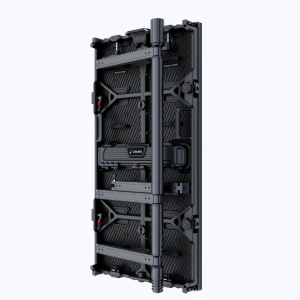
Besides pixel pitch, cabinet design and maintenance convenience should also be considered before purchasing an outdoor LED screen. For B2B projects, reducing maintenance time can improve operational efficiency throughout the product lifecycle. Our MD series is developed for outdoor fixed installations with a modular structure that simplifies servicing and component replacement. The cabinet design supports stable assembly and practical maintenance access, allowing technicians to complete routine work more efficiently. As a manufacturer, Coblinks manages production through an ISO9001 quality management system and controls each manufacturing process in-house, helping maintain consistent product quality. Our engineering team also works closely with customers on customized cabinet structures and installation solutions when project requirements differ from standard configurations. This flexible development process allows us to respond more effectively to different application scenarios while supporting reliable project delivery.
Conclusion
Selecting the proper pixel pitch is not simply a matter of choosing a smaller or larger value. A successful display project should balance viewing distance, installation environment, maintenance planning, and long-term operating needs. When these factors are evaluated together, customers are more likely to select an outdoor LED screen that matches the actual application instead of relying on specifications alone. At Coblinks, we continue to focus on practical engineering, product customization, and stable manufacturing so that our display solutions can support a wide range of commercial and industrial projects with dependable performance and efficient service throughout the product lifecycle.