
Outdoor displays have changed how audiences experience concerts, festivals, sporting events, exhibitions, and large public gatherings. Unlike a conventional sign, an outdoor LED screen must balance image quality with visibility, structural considerations, weather exposure, installation demands, and transportation. The rental model adds another layer because the same display system may move between venues with very different layouts and environmental conditions. At Coblinks, we view these requirements as part of a broader display-planning process rather than as isolated specifications.
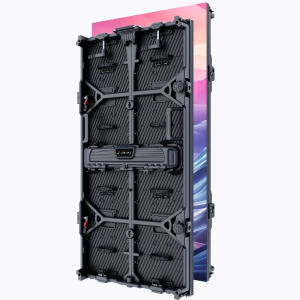
What Makes Outdoor LED Screens Suitable for Events?
Outdoor viewing conditions are rarely consistent. A screen that looks clear in the evening may face strong sunlight several hours earlier, making brightness a central consideration. Outdoor systems also need suitable protection against rain, dust, and changing temperatures. For this reason, an outdoor LED screen generally uses a higher brightness level and a stronger protection rating than an indoor display.
Pixel pitch deserves attention as well. It describes the distance between neighboring LED pixels and affects perceived image detail at different viewing distances. A smaller pitch can provide greater pixel density for closer viewing, while larger pitches can make practical sense when the audience is positioned farther from the display. Screen size, viewing distance, content type, and camera requirements should be considered together rather than treating pixel pitch as an isolated number.
Structural design becomes particularly important at temporary venues. Large displays may be suspended above a stage or positioned in an open area where wind conditions can change during an event. Rigging arrangements, support structures, cabinet weight, protective features, and installation procedures all influence how the system should be deployed. These factors matter just as much as visual performance when a display is being used outdoors.
Key Factors in Outdoor LED Screen Rental
An outdoor LED screen rental project normally involves repeated transportation, assembly, operation, dismantling, and storage. A cabinet designed for permanent installation may not provide the same practical advantages as a touring-oriented system. Rental equipment benefits from modular construction because individual panels can be transported efficiently and arranged according to the dimensions of each venue.
Installation speed can have a direct effect on event logistics. Magnetic connections, accessible maintenance points, protective corners, and standardized cabinet dimensions can simplify repetitive setup work. Curved configurations may also be useful for stage designs where a flat wall would restrict the visual concept. The goal is not simply to put up a display quickly; the system should fit the venue’s physical constraints while allowing technicians to work efficiently.
Reliability also needs to be considered across the entire rental cycle. Frequent handling exposes cabinets to knocks, vibration, and transportation-related wear. Outdoor use introduces additional environmental pressure. A sensible rental assessment should consequently look at cabinet construction, maintenance access, weather protection, spare-part availability, transportation cases, and compatibility with the intended control system.
How the MD Series Fits Outdoor Event Applications
For projects requiring a flexible rental-oriented configuration, our MD Series combines a magnesium-alloy frame with outdoor pixel-pitch options of 2.9 mm, 3.91 mm, and 4.81 mm. Its outdoor versions are rated IP65, provide 5,000 cd/m² brightness, and offer a refresh rate of at least 3,840 Hz. The 500 × 500 mm cabinet weighs 7 kg, while the 500 × 1000 mm version weighs 10.5 kg. The design also supports front and rear maintenance, adjustable curved configurations of 0°/±2.5°/±5°, and a foldable wind-resistant frame. These specifications make the system relevant to touring stages, outdoor festivals, exhibitions, and other temporary installations where handling and structural considerations are closely connected.
Beyond individual specifications, rental displays need to work as part of a larger production workflow. Transportation, staging, rigging, content playback, power distribution, and on-site servicing can all affect the practical experience. A display with impressive image parameters may still create difficulties if its physical design does not suit the event schedule or venue access conditions.
At Coblinks, we approach an outdoor LED screen rental application by considering those operational details alongside visual requirements. Different events call for different cabinet sizes, viewing distances, screen shapes, and support methods. A festival stage, exhibition booth, sports venue, and corporate outdoor event may therefore require noticeably different configurations even if they all use LED technology.
Conclusion
A successful outdoor LED screen deployment depends on more than brightness or resolution alone. Weather exposure, viewing distance, pixel pitch, cabinet construction, maintenance access, transportation, and structural support should all be evaluated before a display enters service. Rental projects add the practical challenge of repeated setup and relocation, making equipment design especially important.
The right outdoor LED screen rental strategy starts with the venue and event requirements, then works backward toward the appropriate display configuration. At Coblinks, we use this project-oriented perspective to develop professional LED display solutions around real installation conditions rather than relying on a single specification as the deciding factor.